K-Classic K50 Price Tracker and Store Comparison
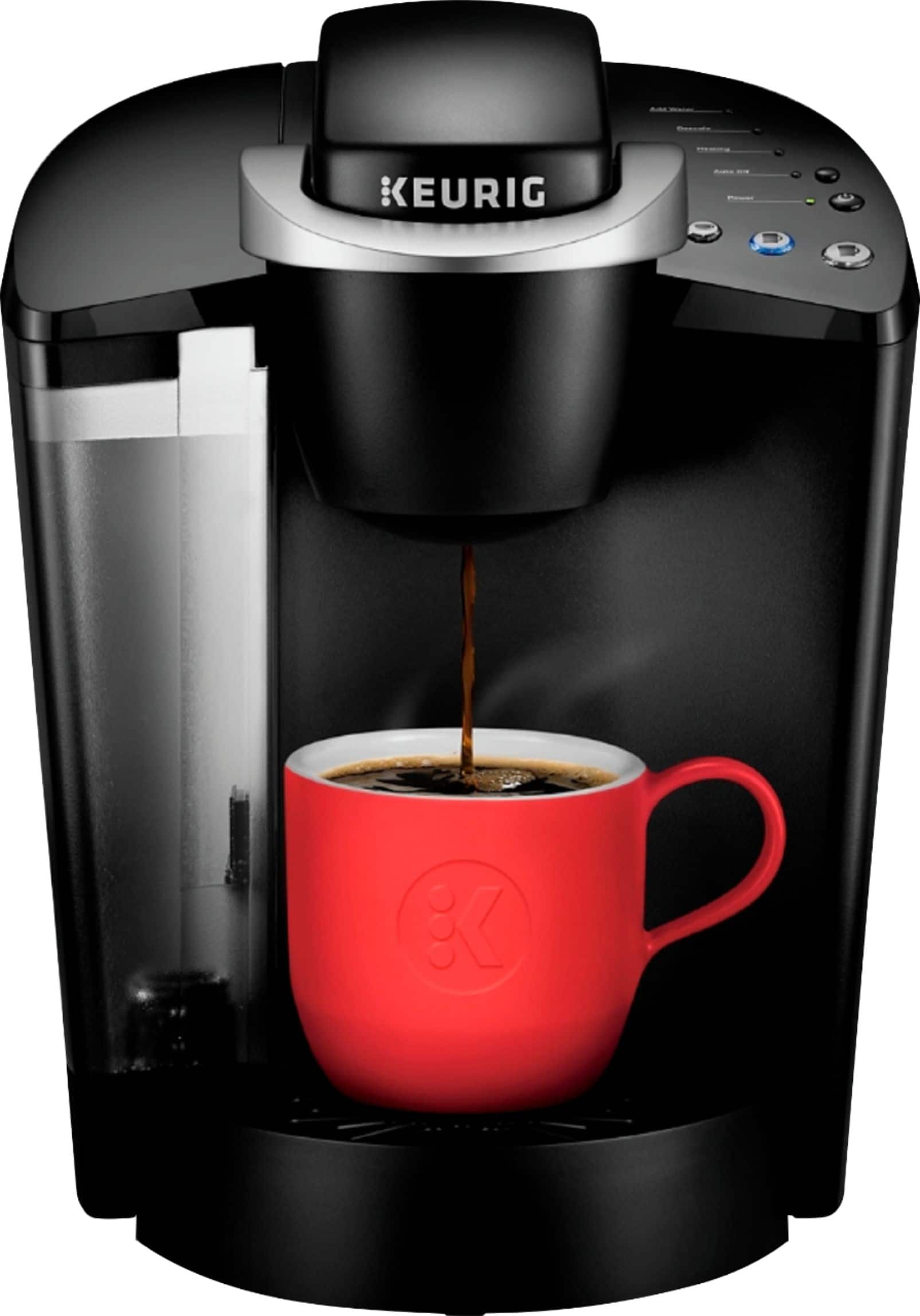
Today's best price
4 stores · sorted by price| Store | Price | vs 90-day avg | Checked | |
|---|---|---|---|---|
| eBay Best price Marketplace seller | $65.99 | save $104 | Oct 7, 23:02 ET | Go to store |
| Kohl's | $159.99 | save $10 | Oct 7, 23:01 ET | Go to store |
| Best Buy Marketplace seller | $199.00 | - | Oct 7, 23:01 ET | Go to store |
| eBay · certified refurb Marketplace seller | $72.88 | refurb | Oct 7, 23:02 ET | Go to store |
90-day price history
lowest new price per dayAcross the stores we track, today's price spread is $133.01 ($65.99 to $199).
How far apart the K50 listings sit changes with the nightly log, and the table above holds today’s answer; with three new listings tracked, the “regular price” on any one page tells you little on its own. The daily record here is still accumulating, so no fair-price call sits on this page yet.
What a K-Cup pod brewer commits you to
The K50 is a single-serve pod machine, which means the machine is only half the purchase. Every cup runs on a sealed K-Cup, so your ongoing cost is set by pod prices rather than by ground coffee, and your drink choices are limited to what is packaged in that format. In exchange: no grinding, no measuring, no carafe going bitter on a warmer. One cup, then the machine is done.
That trade fits staggered mornings where nobody wants to brew a full pot: an office corner, a guest room, a small kitchen where counter depth is tight. It fits a routine where the coffee decision should take four seconds.
It fits less well where four or five cups a day are the norm, because pod cost per cup climbs quickly and the waste piles up, and it is not the machine for espresso, milk drinks, or control over grind and dose. Keurig’s own listing is the place to confirm the reservoir size and cup-size options for this specific K50 configuration before you buy. If this format is not the answer, the Ninja CM401 and the Cuisinart Coffee Center sit on the same tracker.
The pod format’s gains, and its running costs
Strengths follow directly from the pod format: consistent cup-to-cup results because dose and grind are pre-set, minimal cleanup because there is no filter basket to empty, and a short brew cycle since only one cup of water is heated.
The trade-offs follow from the same format: cost per cup runs structurally higher than ground coffee, selection is restricted to pods, and the machine has no answer when several people need coffee at once.
Choosing between the retailer and the marketplace listings
The seller you pick changes what you own afterwards, not just what you pay. The first-party retail listing carries standard retail returns and manufacturer warranty handling. The marketplace listings run on each individual seller’s return policy, which is why the same model can appear at very different tags on the same day. The price table above shows where each seller currently stands. For how we separate these two seller classes, see our first-party vs marketplace sellers guide.
One of the tracked listings is refurbished rather than new, so read that row as a different product condition, not a discount on the new unit. Our condition tiers guide explains what renewed and refurbished actually promise.
How the record firms up from here
Every tracked listing is recorded daily. Once enough daily lows stack up, a low tag can be checked against the machine’s own record instead of a retailer’s claimed list price, and this page can say something firm. Our price tracking method explains the mechanics.
If you want a Keurig with a different feature set while you wait, see the K-Select or the K-Cafe, both logged on the same tracker. For the broader lineup we log nightly, check every coffee maker we follow.
Some links on this page may earn us a commission. This never affects prices, rankings or verdicts.Full disclosure